
Understanding Global Logistics: How Freight and Shipping Keep Businesses Connected
Understanding Global Logistics: How Freight and Shipping Keep Businesses Connected
Global logistics plays an essential role in the modern economy. Every day, businesses transport products, raw materials, equipment, and essential supplies across cities, countries, and continents. Behind these movements is a complex network of transportation providers, freight forwarders, warehouses, ports, airports, and distribution centers working together to ensure goods reach their destinations.
For businesses that depend on international trade, understanding logistics is essential. Effective logistics management helps companies control transportation costs, coordinate deliveries, improve supply chain visibility, and serve customers more efficiently. Whether a business ships small packages or large commercial cargo, choosing the right freight solution can make a significant difference.
At Global Atlantic Freight, we recognize the importance of reliable shipping and organized logistics. Understanding how freight transportation works can help individuals and businesses make informed decisions when moving goods locally or internationally.
What Is Logistics?
Logistics is the process of planning, coordinating, storing, and transporting goods from their point of origin to their final destination. It involves managing the movement of products, the information associated with shipments, and the resources required to complete deliveries efficiently.
Logistics covers several interconnected activities, including transportation planning, cargo handling, inventory management, warehousing, order processing, shipment tracking, and delivery coordination.
For example, a company importing electronic equipment may need to arrange transportation from a manufacturer overseas, coordinate customs documentation, move the cargo through a port, and arrange final delivery to its warehouse. Each stage requires careful planning and communication.
When these activities work together effectively, businesses can reduce unnecessary delays, improve operational efficiency, and maintain better control over their supply chains.
Why Logistics Is Important for Modern Businesses
Logistics is more than simply moving goods from one location to another. It directly affects how businesses operate, manage expenses, and satisfy their customers.
Improving Delivery Efficiency
Efficient logistics helps businesses coordinate transportation schedules and choose suitable shipping routes. Better planning can reduce unnecessary handling, minimize avoidable delays, and improve the movement of goods between locations.
For businesses operating across multiple markets, reliable transportation coordination is especially important because shipments may pass through several carriers, terminals, and distribution centers.
Managing Transportation Costs
Shipping expenses can influence a company’s profitability. Transportation charges, fuel costs, customs duties, insurance, storage fees, and handling expenses may all contribute to the final cost of moving goods.
A well-organized logistics strategy helps businesses compare transportation methods, consolidate shipments where practical, and select routes that balance cost, speed, and reliability.
The cheapest shipping option is not always the most economical. A slower shipment may create inventory shortages, while a more expensive express service may be unnecessary for goods that are not time-sensitive.
The right decision depends on the cargo, delivery deadline, destination, and overall business requirements.
Supporting Customer Satisfaction
Customers expect accurate information, reasonable delivery times, and clear communication. Logistics operations influence each of these expectations.
When businesses provide realistic delivery estimates and communicate shipment progress effectively, customers can plan accordingly. Similarly, prompt responses to shipping questions help build trust and improve the overall customer experience.
Strengthening Supply Chains
A supply chain connects manufacturers, suppliers, distributors, retailers, and end customers. Logistics supports this network by coordinating the movement and storage of goods between these participants.
When transportation or inventory planning fails, businesses may experience production interruptions, stock shortages, or missed delivery commitments. Strong logistics management helps reduce these risks through better coordination and contingency planning.
The Main Types of Freight Transportation
Different shipments require different transportation methods. The best option depends on factors such as distance, cargo volume, delivery urgency, budget, and destination infrastructure.
Air Freight
Air freight involves transporting cargo by aircraft. It is commonly used for urgent shipments, valuable goods, time-sensitive products, and items that need to travel long distances quickly.
One of its main advantages is speed. Air transportation can significantly reduce transit times compared with many ocean freight routes.
However, air freight generally costs more per unit of weight than sea transportation. Airlines also apply restrictions concerning cargo dimensions, dangerous goods, packaging, and other shipment characteristics.
Air freight may be suitable for electronics, business documents, specialized equipment, and certain perishable products, provided they meet applicable transportation requirements.
Businesses should compare the total cost of air transportation with the financial impact of delivery delays before selecting this option.
Sea Freight
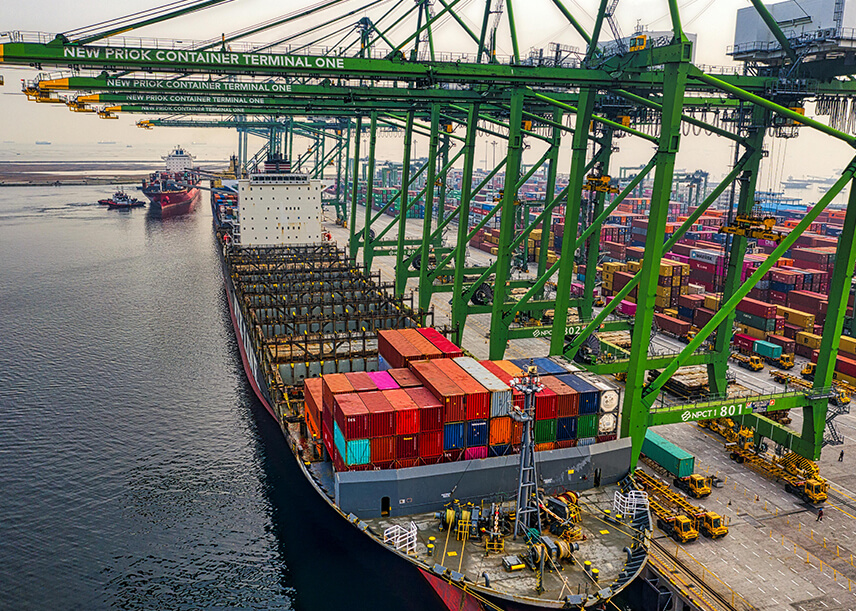
Sea freight involves transporting goods aboard cargo vessels. It is one of the principal methods used in international trade, particularly for large shipments and heavy cargo.
Businesses often choose sea freight when they need to transport substantial quantities of goods over long distances without paying the higher rates associated with air transportation.
Common sea freight arrangements include full container load and less than container load services.
Full Container Load (FCL) refers to a shipment that uses an entire shipping container for one shipper’s cargo. This arrangement can offer greater control over container use and cargo handling.
Less than Container Load (LCL) allows shipments from different customers to share container space. It can be practical for businesses that do not have enough cargo to fill an entire container.
Although sea freight can be cost-effective, transit times are usually longer. Port congestion, weather conditions, customs inspections, and vessel schedules can also affect delivery.
Road Freight
Road freight uses trucks and other road vehicles to transport goods between locations.
It is widely used for domestic transportation, regional distribution, cross-border deliveries, and the first or final stages of international shipments.
Road freight offers flexibility because vehicles can reach warehouses, factories, retail locations, and other destinations that may not have direct access to ports or airports.
However, delivery schedules may be affected by traffic congestion, road conditions, border procedures, vehicle restrictions, and weather.
For many businesses, road transportation works best as part of a broader logistics arrangement that connects warehouses, ports, airports, and customers.
Rail Freight
Rail freight transports cargo by train. It can be an effective option for moving substantial volumes of goods over established rail networks.
Depending on the route and infrastructure, rail transportation may provide a balance between cost and transit time. It is particularly useful for certain bulk commodities, industrial materials, containers, and other goods suited to rail handling.
However, rail freight depends on available rail connections, terminal capacity, and supporting road transportation where direct rail access is unavailable.
For international shipments, rail may also involve border procedures and transfers between different transportation networks.
Multimodal Transportation
Multimodal transportation combines two or more transportation methods within a single overall shipping arrangement.
For example, cargo may travel by truck from a factory to a seaport, continue by ship to another country, and then move by road to the recipient’s warehouse.
This approach allows logistics providers to combine the strengths of different transportation methods. Sea freight may handle the long international journey, while road freight provides flexible collection and delivery.
Successful multimodal shipping requires coordination between carriers, terminals, documentation processes, and delivery schedules.
Understanding the Freight Forwarding Process
Freight forwarding is an important part of international logistics. A freight forwarder helps organize shipments and coordinate the services needed to move cargo between locations.
Depending on the arrangement, a freight forwarder may work with carriers, customs brokers, warehouses, and other logistics providers.
Although service offerings differ, the freight forwarding process commonly includes several stages.
1. Shipment Planning
The process begins with identifying the shipment’s requirements.
Relevant information includes the cargo description, dimensions, weight, collection address, destination, preferred delivery date, and any special handling requirements.
Accurate information helps logistics professionals determine suitable transportation methods and prepare an appropriate shipping plan.
2. Quotation and Booking
After reviewing the shipment details, the provider can prepare a quotation outlining applicable transportation charges and services.
Customers should review what the quotation includes. Some prices cover only the main transportation service, while others may include collection, documentation, handling, or final delivery.
Additional charges may apply for customs services, storage, duties, taxes, or other requirements.
Once the customer accepts the proposed arrangement, the relevant transportation services can be booked.
3. Cargo Preparation
Before dispatch, cargo must be packaged, labeled, and documented appropriately.
Packaging should protect the goods against foreseeable handling and transportation conditions. Fragile items may require additional cushioning, while heavy cargo may need specialized equipment or securing methods.
Labels should provide the information required by the carrier and destination authorities.
Accurate cargo descriptions and documentation are particularly important for international shipments because incorrect information can lead to delays, additional charges, or regulatory problems.
4. Documentation and Customs
International shipments often require commercial invoices, packing lists, transport documents, and other paperwork depending on the goods and destination.
Customs authorities may review the shipment to verify its description, value, classification, origin, and compliance with import or export requirements.
Import duties, taxes, permits, or inspections may apply.
The exact requirements depend on the countries involved and the nature of the cargo. Businesses should verify applicable regulations before dispatch rather than assuming that every shipment follows the same process.
5. Transportation and Tracking
Once the cargo is accepted for transportation, it moves through the agreed shipping network.
Tracking systems may provide information about collection, departure, arrival at transit facilities, customs processing, and delivery.
The frequency and accuracy of updates depend on the carriers and tracking technology involved.
Customers should retain their tracking numbers and shipping documents because these details help identify shipments when requesting assistance.
6. Final Delivery
The final stage involves transporting the cargo to the agreed destination and completing the required delivery procedures.
Depending on the service, the recipient may need to confirm receipt, provide identification, pay outstanding charges, or arrange unloading.
Businesses should verify delivery details in advance, particularly when receiving heavy cargo or shipments requiring specialized equipment.
A clearly defined delivery arrangement helps prevent confusion and unnecessary delays.
The Importance of Shipment Tracking
Shipment tracking gives businesses and individuals greater visibility into the transportation process.
Without tracking information, customers may have difficulty determining whether a shipment has departed, reached a transit facility, or encountered a delay.
Tracking systems help address this problem by providing updates based on information recorded by carriers and logistics partners.
Better Planning
Businesses can use shipment updates to coordinate inventory, schedule warehouse staff, and prepare for incoming deliveries.
For example, a retailer expecting imported stock can use available tracking information to prepare its receiving area and plan distribution activities.
Greater Transparency
Tracking information helps customers understand the progress of their shipments.
Although tracking updates may not always be instantaneous, clear status information can reduce uncertainty and make it easier to identify when additional assistance is needed.
Faster Issue Identification
When a shipment remains at a transit facility longer than expected, tracking information can help customers identify the issue and contact the relevant service provider.
Possible causes include customs inspections, missing documentation, weather disruptions, carrier delays, or operational problems.
Tracking does not prevent every delay, but it can make shipment management more informed and organized.
Common Logistics Challenges and How to Address Them
Even well-planned shipments can encounter problems. Understanding common challenges helps businesses prepare more effectively.
Shipping Delays
Delays may result from adverse weather, port congestion, customs inspections, labor disruptions, or unexpected transportation problems.
Businesses can reduce their exposure by allowing reasonable delivery buffers, choosing suitable carriers, and maintaining communication with logistics providers.
For critical shipments, contingency plans can help minimize the impact of unexpected disruptions.
Customs and Documentation Errors
Incorrect invoices, incomplete declarations, inconsistent cargo descriptions, and missing permits can interrupt international shipments.
Businesses should ensure that documentation is accurate and complete before dispatch.
They should also verify import restrictions, export controls, and documentation requirements for the specific goods and countries involved.
Unexpected Shipping Costs
Freight quotations may not include every expense associated with an international shipment.
Storage, terminal handling, customs brokerage, duties, taxes, and delivery surcharges may increase the final cost.
To avoid surprises, customers should request a clear breakdown of charges and confirm which services are included.
Cargo Damage or Loss
Cargo can be damaged during loading, unloading, storage, or transportation.
Appropriate packaging, secure handling, accurate labeling, and suitable transportation arrangements can reduce the risk.
Businesses should also review insurance options and understand the carrier’s liability conditions before shipping valuable or sensitive goods.
If damage occurs, recipients should document the condition of the cargo, retain relevant records, and follow the applicable reporting procedure promptly.
How to Choose the Right Freight and Logistics Partner
Choosing a logistics provider is an important business decision. The right partner should understand your shipping requirements and explain the available options clearly.
Consider the following factors before making a decision.
Experience and service capabilities: Look for a provider with relevant experience handling your cargo type, destinations, and transportation requirements.
Communication: Choose a provider that explains the shipping process, provides clear contact channels, and responds to reasonable inquiries.
Pricing transparency: Request a quotation that identifies included services and potential additional charges.
Tracking and shipment visibility: Determine what tracking information is available and how shipment updates are communicated.
Documentation support: International shipping can involve complex paperwork. Confirm whether the provider helps coordinate the necessary documents and customs-related services.
Delivery arrangements: Establish whether the quotation includes collection, terminal handling, customs coordination, and final delivery.
Insurance and liability: Understand what protections are available, what exclusions apply, and how claims are handled.
It is also sensible to verify a provider’s business identity, relevant registrations, contractual terms, and references where available.
A professional logistics relationship should be based on clear expectations rather than promises that cannot be guaranteed.
The Role of Technology in Modern Logistics
Technology continues to change how freight and logistics operations are managed.
Digital booking systems, electronic documentation, shipment tracking, warehouse management software, and transportation planning tools help businesses coordinate activities more efficiently.
Digital Shipment Management
Digital platforms can centralize shipment information, making it easier to access booking details, shipping documents, and available tracking updates.
This can reduce reliance on scattered emails and manual recordkeeping.
Data-Driven Planning
Businesses can analyze historical shipping information to identify recurring delays, compare transportation costs, and improve delivery planning.
Over time, this information may help organizations make better decisions about inventory levels, shipping routes, and carrier selection.
Improved Communication
Electronic notifications and customer portals can make shipment information easier to access.
However, technology works best when accurate information is entered and logistics teams respond appropriately when problems arise.
Digital tools support logistics professionals, but they do not eliminate the need for good planning, operational experience, and effective communication.
Sustainable Logistics and Environmental Responsibility
Environmental considerations are becoming increasingly important in transportation and supply chain management.
Freight movement consumes energy and can contribute to greenhouse gas emissions, air pollution, and other environmental impacts.
Businesses can explore several approaches to improve transportation efficiency.
Consolidating compatible shipments may reduce unnecessary trips and improve vehicle or container utilization. Better route planning can help limit avoidable distance. Where practical, companies may also consider rail or sea transportation for suitable cargo instead of relying exclusively on air freight.
Packaging improvements can reduce wasted space and unnecessary materials.
However, environmental performance depends on factors such as cargo weight, route distance, vehicle utilization, fuel type, and the particular transportation methods involved.
Businesses should evaluate sustainability claims carefully and consider the complete transportation arrangement rather than assuming that one shipping method is always environmentally preferable.
International Shipping: What Businesses Should Know
International shipping creates opportunities for businesses to access suppliers, customers, and markets beyond their domestic borders.
However, cross-border transportation requires careful attention to regulations and commercial arrangements.
Before shipping internationally, businesses should establish the following details:
- Destination requirements: Confirm import restrictions, permits, and applicable product standards.
- Cargo classification: Identify the correct description and classification for customs purposes.
- Documentation: Prepare the commercial invoice, packing list, and relevant transport documents.
- Duties and taxes: Determine which charges may apply and who is responsible for paying them.
- Delivery responsibilities: Clarify who handles transportation, customs clearance, and final delivery.
- Transit time: Allow for transportation schedules, customs processing, and possible disruptions.
- Cargo protection: Review packaging requirements, insurance options, and carrier liability.
International commercial terms, commonly known as Incoterms, can also help define the responsibilities of buyers and sellers in international transactions.
Businesses should select the applicable terms carefully and ensure that the sales contract and shipping arrangements are consistent.
Good preparation reduces uncertainty and helps international shipments move through the transportation process more smoothly.
Why Businesses Choose Professional Freight Solutions
Professional freight solutions can help businesses coordinate transportation without managing every operational detail independently.
Depending on the provider and agreed services, customers may receive assistance with carrier selection, shipment bookings, documentation coordination, cargo movement, tracking, and delivery arrangements.
This support can be especially useful for companies handling international shipments, working with multiple suppliers, or transporting goods to unfamiliar destinations.
However, the right service depends on each customer’s requirements. A small business sending occasional packages may need a different arrangement from an importer transporting full containers regularly.
Before selecting a service, businesses should compare the available options, confirm the provider’s capabilities, and establish clear expectations about costs, delivery schedules, and communication.
How Global Atlantic Freight Supports Your Shipping Needs
At Global Atlantic Freight, we understand that dependable logistics requires planning, coordination, and clear communication.
Our approach focuses on helping customers understand their freight options and organize shipments according to their transportation requirements. From reviewing shipment details to coordinating the relevant transportation arrangements, our goal is to make the shipping process easier to understand and manage.
We recognize that every shipment is different. Cargo dimensions, destination requirements, delivery deadlines, and budget considerations can all influence the most appropriate shipping solution.
By emphasizing organized processes and customer support, Global Atlantic Freight aims to help individuals and businesses navigate the practical challenges of freight transportation.
Customers should confirm the specific services, destinations, transit estimates, and tracking options available for their shipments before booking.
Whether you are planning a domestic delivery or exploring international freight options, careful preparation is an important first step toward a smoother shipping experience.
Frequently Asked Questions About Logistics
1. What is logistics in shipping?
Logistics is the planning and coordination of transporting, storing, handling, and delivering goods from their origin to their destination.
2. What is the difference between logistics and freight forwarding?
Logistics is the broader process of managing the movement and storage of goods. Freight forwarding focuses on organizing shipments and coordinating transportation services between locations.
3. Which freight method is best for international shipping?
The best method depends on your cargo, budget, destination, and delivery deadline. Air freight is often suitable for urgent shipments, while sea freight can be economical for large volumes. Road and rail freight may suit particular routes and cargo requirements.
4. How long does international shipping take?
Transit times vary according to the origin, destination, transportation method, carrier schedules, customs procedures, and possible disruptions. Request a route-specific estimate before booking.
5. What documents are required for international freight?
Common documents include commercial invoices, packing lists, and transport documents. Additional permits, certificates, or declarations may be required depending on the goods and countries involved.
6. How can I track my shipment?
Use the tracking number supplied by your shipping provider on its designated tracking page. Available updates depend on the carrier and tracking system.
7. Why is my shipment delayed?
Common causes include weather, port congestion, customs inspections, incomplete paperwork, and transportation disruptions. Contact your logistics provider if the shipment remains delayed without an explanation.
8. What affects freight shipping costs?
Costs may depend on cargo weight, dimensions, distance, transportation method, fuel charges, handling, customs-related expenses, insurance, and final delivery requirements.
9. Is cargo insurance necessary?
Cargo insurance may provide financial protection against certain losses or damage, depending on the policy. Businesses should review coverage limits, exclusions, and claim requirements before shipping.
10. How can I choose a reliable freight company?
Compare relevant experience, service coverage, pricing transparency, communication, tracking options, contractual terms, and available customer references. Verify the provider’s identity and capabilities before making payment.
11. What is multimodal transportation?
Multimodal transportation combines two or more transportation methods, such as road, sea, rail, or air, to move cargo from origin to destination.
12. How can businesses reduce shipping costs?
Businesses can compare freight quotations, improve packaging, consolidate suitable shipments, plan ahead, and select transportation methods that balance cost and delivery time.
Conclusion
Logistics is a fundamental part of modern commerce, connecting suppliers, manufacturers, distributors, and customers through organized transportation networks.
Understanding freight options, preparing accurate documentation, monitoring shipments, and selecting suitable logistics partners can help businesses manage transportation more effectively.
Although challenges such as delays, customs procedures, and changing shipping costs cannot always be avoided, careful planning and clear communication can reduce uncertainty.
Global Atlantic Freight is committed to supporting customers with organized freight coordination and a customer-focused approach to shipping. By understanding your requirements and confirming the available services before booking, you can make more informed decisions and prepare your cargo for its journey.
Planning your next shipment? Contact Global Atlantic Freight to discuss your freight requirements and explore the available shipping options.